Buy the Right Pair of Forestry Boots
Forestry boots are the epitome of craftsmanship and durability in the rugged outdoor footwear’s interesting world. If you happen to be shopping for boots that boast of classic style while offering exemplary performance, these pairs might just be the answer.
Table of Contents
Forestry Boots Defined
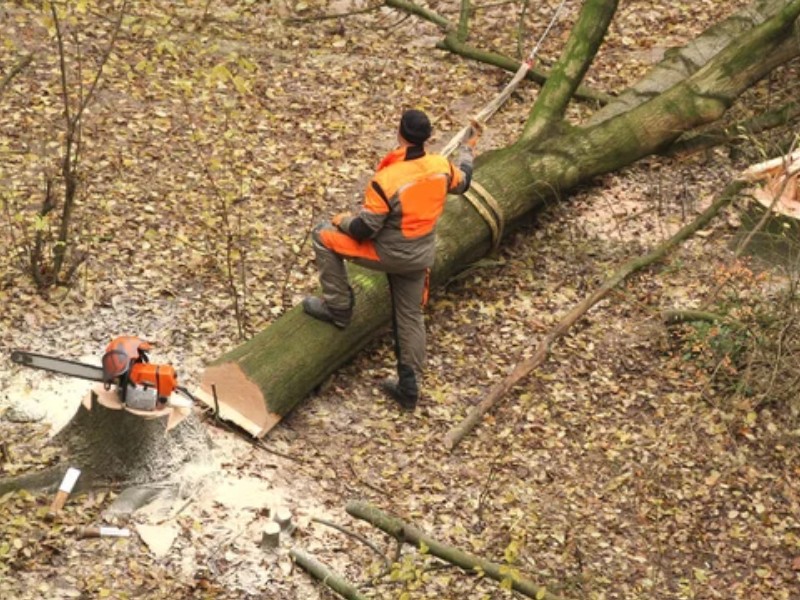
Forestry boots, or logger work boots, are a specific footwear type made for people who are part of the forestry industry, as their name suggests. These boots are made with the main purpose of offering comfort and protection in unpredictable and rugged outdoor work settings.
Logger boots are crafted using durable and solid materials with specific features intended to cater to the unique demands and requirements of forestry work. Some of these features are waterproof capabilities, reinforced toes, and slip-resistant toes.
Forestry Boot Materials
Logger work boots are often made using the blend of high quality and durable materials to ensure that they can perform and last longer in testing forestry environments. The following are the most commonly used materials for making these special boots:
Gore-Tex
Gore-Tex membranes or lining is sometimes used in logger boots to improve their waterproof capabilities without compromising on breathability. The technology ensures that the wearer’s feet stay comfortable and dry even in wet conditions.
Leather
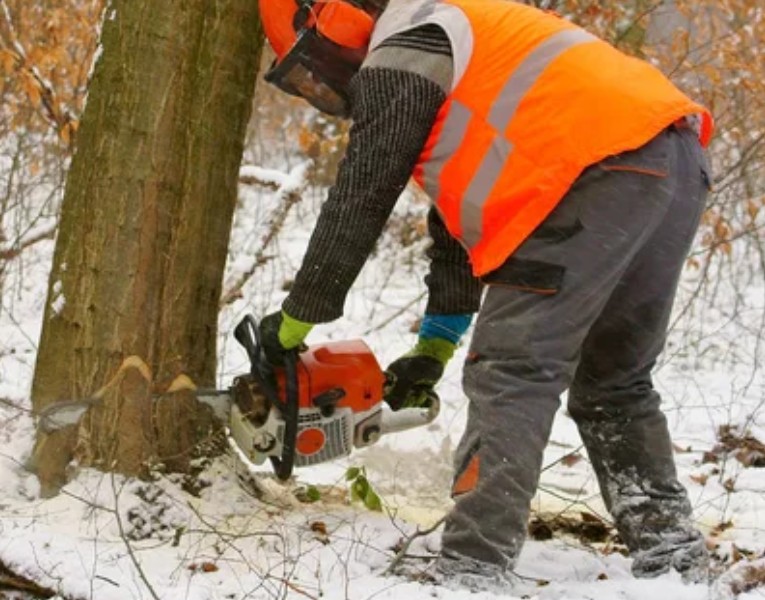
The most popular option for material for forestry boots is leather. Leather is known for its excellent water resistance, durability, and protection from punctures and abrasions. Leather logger boots are often made to last while offering substance and style at the same time.
Nylon
Nylon is typically used in making logger boots to lessen their weight and improve their flexibility. This quality makes the boots more comfortable while still keeping them resistant to tears and strong enough to endure the environments they were used in.
Rubber
Logger work boots typically feature rubberized components like protective toe caps and outsoles. Rubber offers shock absorption, traction, and extra protection from hazardous conditions and impacts.
Composite Materials or Steel
Composite materials or steel might also be used in some logger boots for reinforcing their toe caps. These materials provide additional protection from compression and heavy objects.
Forestry Boot Styles
You can find different styles of logger boots in the market right now. Each of these styles is designed to cater to specific needs and different preferences of every forestry worker. Here are some of the most common forestry boot styles you can consider buying:
Chainsaw Boots
The main purpose of chainsaw boots is to offer protection from certain hazards often linked with operating chainsaws. These boots feature reinforced protection and extra layers of materials resistant to cuts in critical parts.
Hiking Boots
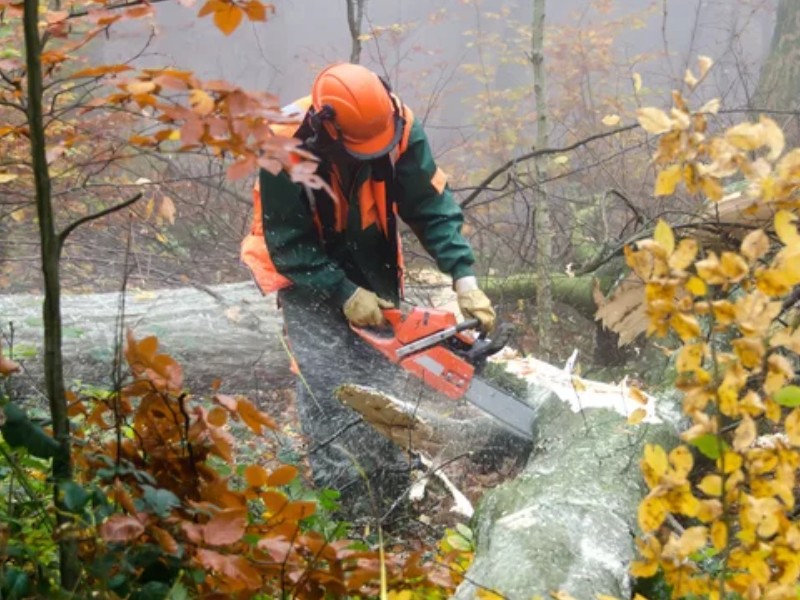
Hiking boots boast of a mix of versatility, durability, and comfort. The flexible construction and lower ankle height of these boots make them ideal for people who would want to enjoy more mobility or for lighter forestry jobs.
Insulated Boots
Insulated boots feature insulation materials that offer comfort and warmth during winter work or in cold climates. These boots are perfect for people who work in cold forestry settings.
Logger Boots
Logger boots feature a tall design and often extend above the calf or angle to provide maximum support and coverage. These boots are best known for their excellent grip, durability, and robust construction.
Rubber Forestry Boots
Rubber boots, also called waders, are intended to offer full waterproof protection. Most of the time, these boots reach the knees or are higher that make them perfect for working in muddy or wet settings.
Care and Maintenance
Proper care and maintenance are imperative if you want any type of footwear to last long, and forestry boots are no exception to this. Take note of the following tips to help keep your boots in tiptop shape and condition.
Observe Regular Cleaning
Always get rid of debris and dirt from your boots after every use. You can use a cloth or soft brush to remove any dirt on the surface. Never use harsh chemicals as these might end up damaging the materials on your boots.
Condition the Leather Material
Apply a good quality leather conditioner now and then to your boots to keep its leather material nourished and supple. Doing this can help ward off water absorption, cracking, and drying.
Dry Properly
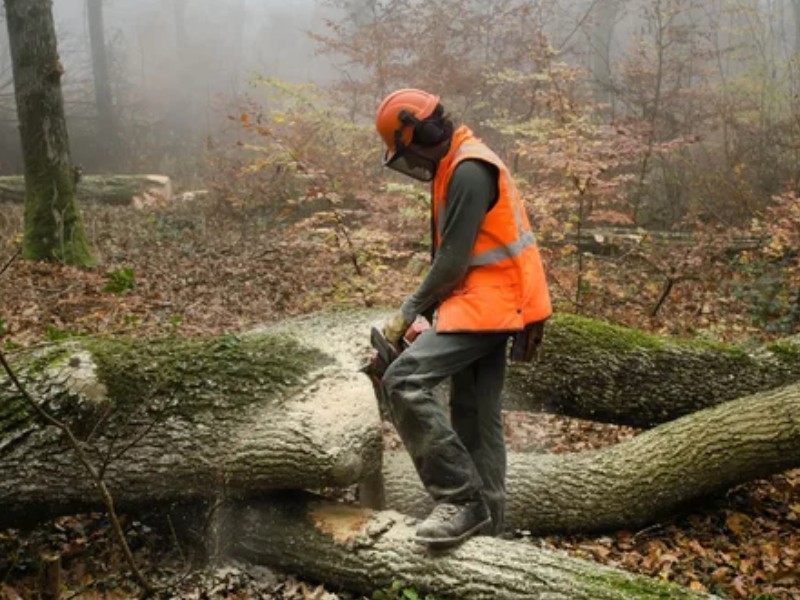
Let your boots air dry in the most natural way possible after these are exposed to excessive moisture or water. Stay away from direct sources of heat because it will only damage the materials of the boots.
Store Carefully
Keep your boots in a dry and cool place safe away from any direct sunlight if they are not in use. Stuff them with newspaper or use boot trees to retain their shape.
Waterproof Treatment
You can apply a waterproof treatment on your boots to keep them water resistant. Since this depends on the specific type of boots you own, be sure to check the instructions of the manufacturer to know the suitable product you can use for this.
Benefits of Forestry Work Boots
Forestry work boots have a lot of perks to offer that make them a handy gear in the forestry field. Some of these benefits are the following:
Comfort
Boots for forestry use are crafted while considering the wearer’s level of comfort. This is the reason why they usually feature breathable linings, cushioning, and arch support to ensure that the wearer remains comfortable all day long while working.
Durability
Logger work boots are crafted using top of the line materials to make them endure even the toughest conditions and ensure that they are resistant to wear and tear and will last for a long time.
Protection
The sturdy build and reinforced toes of logger boots offer sufficient protection from possible injuries that help make the working environment much safer for the wearer.
Slip Resistance
Forestry work boots feature slip-resistant soles that reduce the possibilities of accidents as they offer reliable traction on uneven and slippery surfaces.
Waterproof
Forestry boots, with their waterproof capabilities, can keep the wearer’s feet dry by protecting them from moisture to prevent not only discomfort but even potential health concerns.