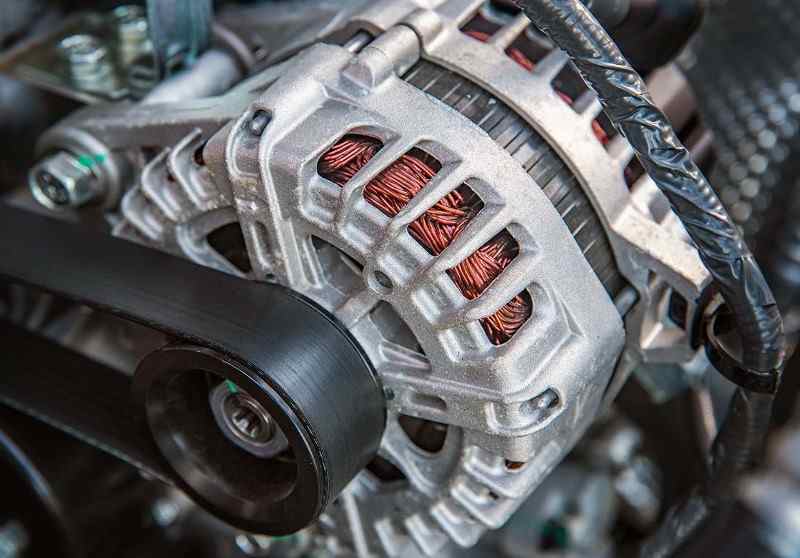
Alternator Office Politics Inside Your Car Explained
An alternator is essentially the car’s office worker who never gets to clock off, even when everyone else has gone home.
While you are worrying about traffic, parking spaces and whether that mysterious noise is expensive, the electrical system is quietly running its own little business beneath the bonnet. Lights need power. The stereo wants attention. Heated seats are demanding their share. The engine computer is processing more information than some office managers. Meanwhile, the battery is sitting there like an exhausted colleague wondering why everyone keeps asking it for favours.
It is a surprisingly busy workplace.
And because modern cars contain enough electrical equipment to make an old-fashioned motorist suspicious of witchcraft, keeping that electricity flowing is rather important.
The Battery Gets All the Glory
The battery tends to receive most of the attention because it gets blamed whenever the engine refuses to start.
You turn the key or press the button. Nothing happens. Perhaps there is a pathetic click. Perhaps the dashboard lights flicker dramatically, as if auditioning for a low-budget horror film.
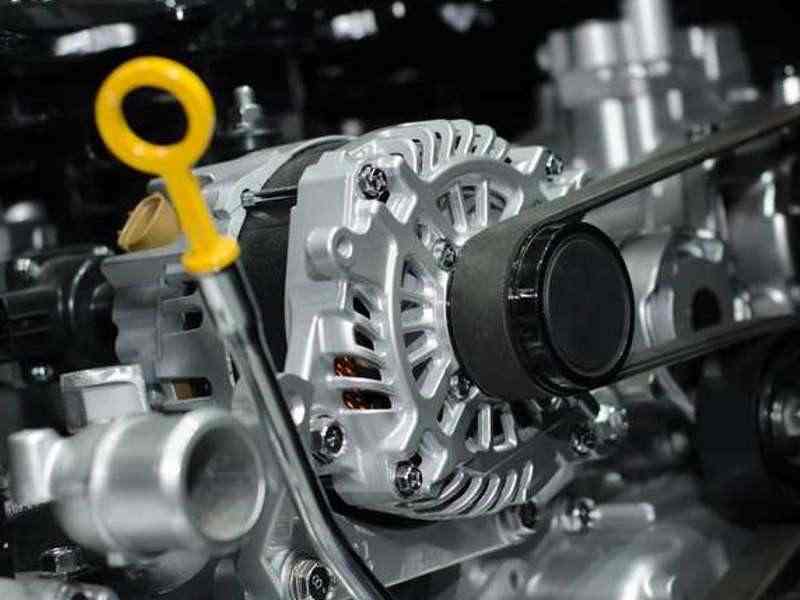
Naturally, everyone blames the battery.
But the battery is not supposed to do all the work. Its primary job is to provide the electrical energy needed to start the engine and supply power when the engine is not running. Once the engine is operating, another component takes over much of the electrical workload.
That component is the alternator.
Driven by the engine, it converts mechanical energy into electrical energy. The electricity can then power the vehicle’s electrical systems and replenish energy used by the battery.
Think of the battery as a savings account and the charging system as the salary arriving every month. If the salary stops appearing, the savings might keep things going for a while. Eventually, however, someone is going to discover that the account contains approximately three pounds and a loyalty stamp.
That is when the trouble starts.